 Guide
Patios & Paths
A worn track across the lawn is a sign that people want a path there. Stepping stones fix it in an afternoon, with no digging machines and no concrete, and if they are set flush with the grass you can mow right over them.
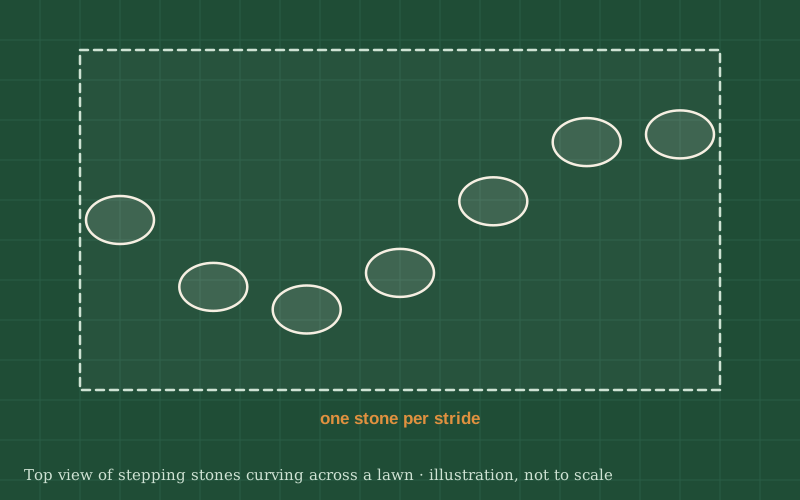
Each stone sits in its own shallow hole, cut to its exact shape and bedded on sand so it does not rock. The stones are spaced to match a comfortable walking stride and set level with the soil surface, just below the grass, so the mower passes over them.
Natural flagstones, concrete pavers, reclaimed paving slabs or thick wooden rounds all work. Choose stones at least 1½ to 2 in (4–5 cm) thick and around 12 to 18 in (30–45 cm) across, so they stay stable underfoot.
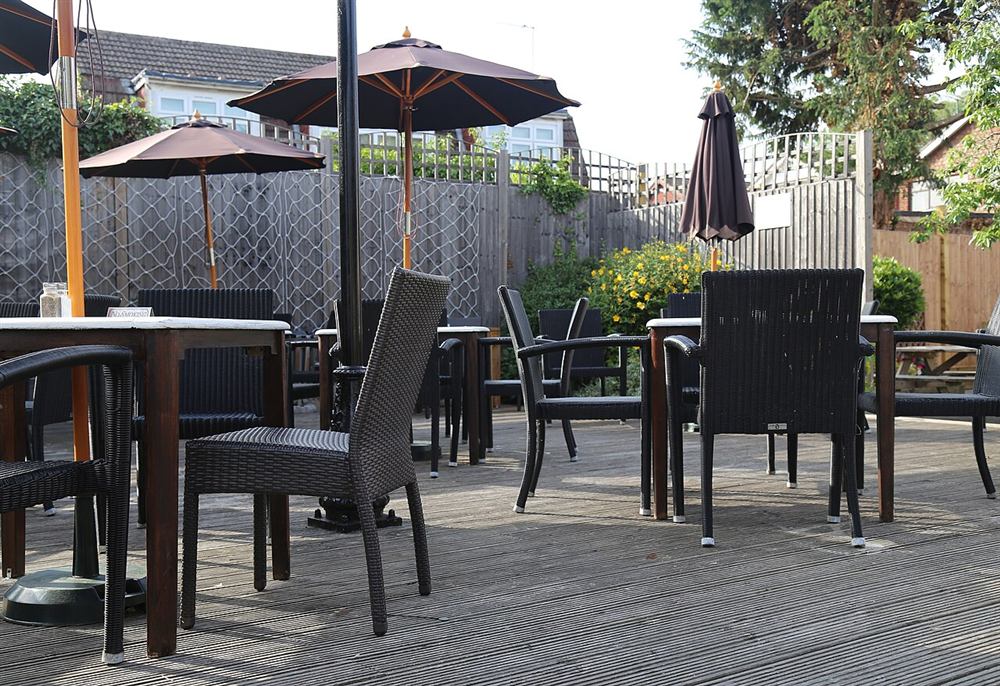
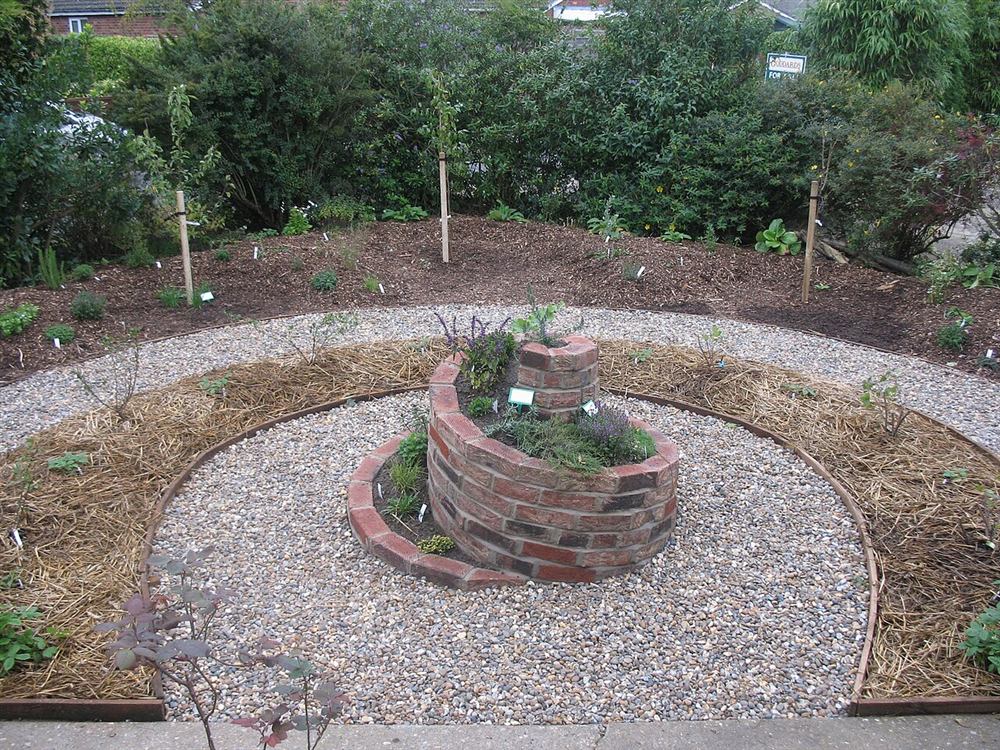
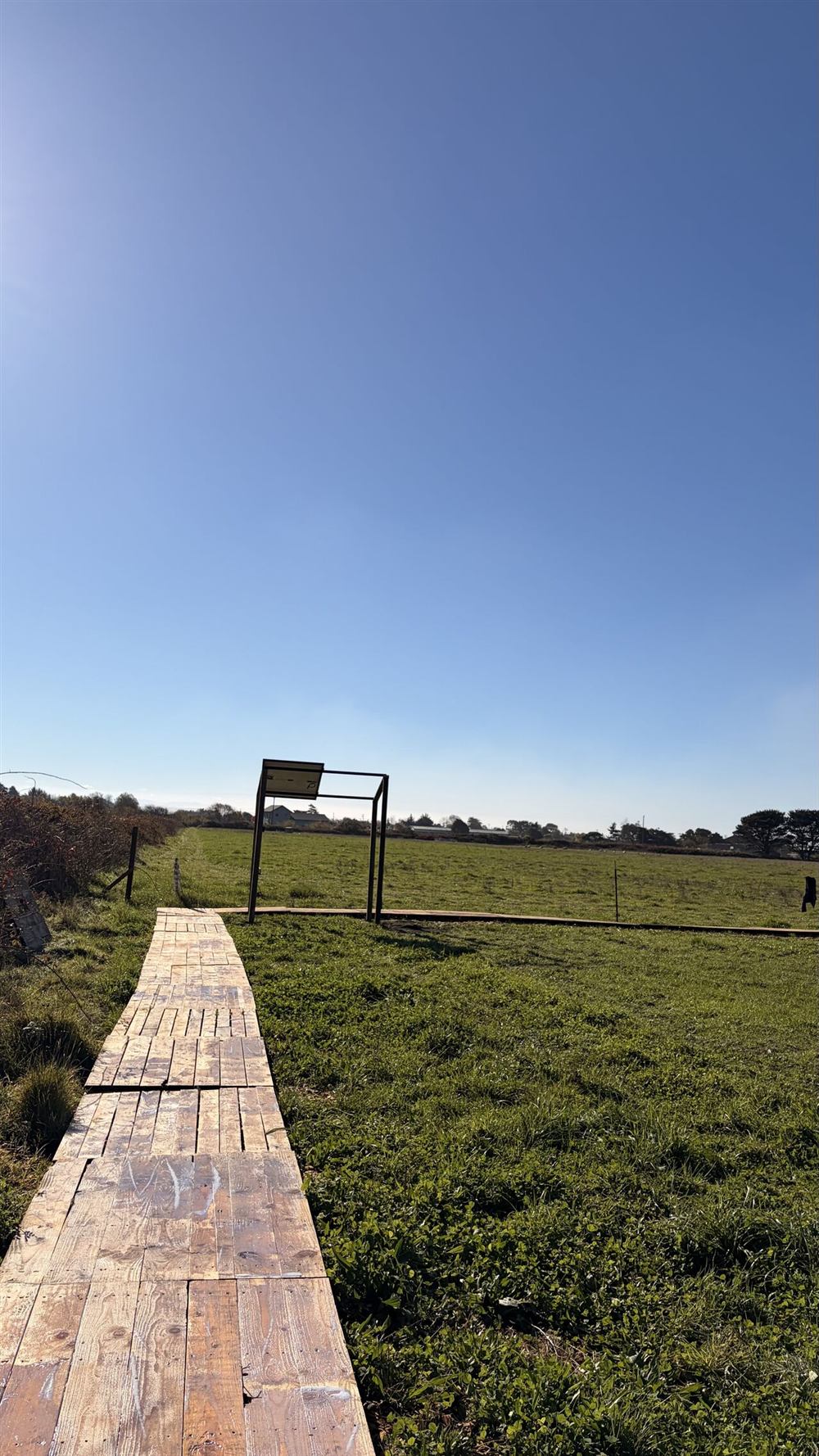
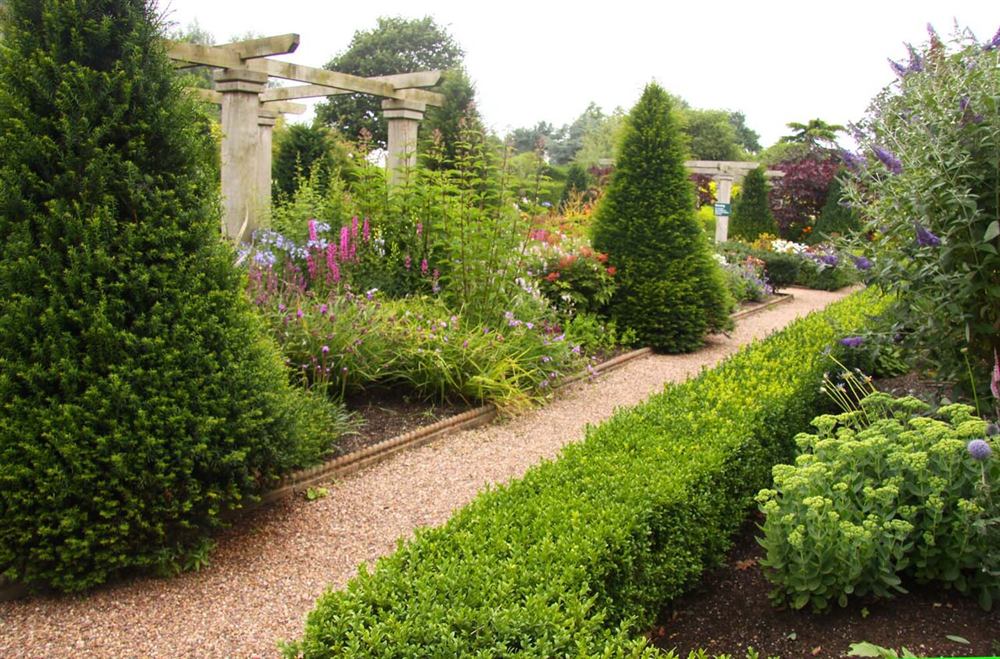
Photos of similar builds by other people, shared under open licenses. They show the idea in practice; the details differ from this guide.

Place the stones on the lawn along the route people actually walk. Walk the path at a normal pace and move the stones until each one falls naturally under your foot; for most adults the centres end up about 24 in (60 cm) apart. Gentle curves look better than a ruler-straight line.
With the stone in place, cut straight down through the turf around its edge with a half-moon edger or spade. Lift the stone aside and remove the turf inside the cut.
Dig the hole to the thickness of the stone plus about an inch (2–3 cm) for sand. Keep the bottom flat and firm, and remove stones and roots.
Spread sand in the hole, smooth it and set the stone on top. Tap it down with the rubber mallet until its surface sits level with the soil, just below the grass, and check it with the level. Stand on it: if it rocks, lift it and adjust the sand.
Fill any gaps around the stone with topsoil and press it in firmly. Sow a pinch of grass seed in bare spots and water the whole path well so the sand and soil settle.
Walk the finished path a few times in both directions, in normal shoes and in garden boots. If a stone feels too far or too close, now is the time to move it, while the soil is still loose. Check again with the level after a few days, once the sand has settled under the weight of people walking on it.
General guidance only. Follow the instructions for your tools and materials and your local rules, and use a qualified professional for electrical, gas and structural work.
A stepping stone path takes little time, costs little and saves the lawn from a muddy track. Trim the grass around the edges once or twice a season so the stones stay crisp, and the path will look like it has always been there.
About this guide: written by the DIY Outdoor Builds editors from general, widely used building and gardening practice. Text and illustration © DIY Outdoor Builds. Photos are by the people credited under each one, used under their licenses. Found an error? Let us know.
Share your photos, measurements and what you changed. Your build gets its own page and helps the next person.