 Guide
Garden Layouts
A herb spiral is a mound of soil held by a low stone wall that winds upward like a snail shell. The top drains fast and gets full sun, while the bottom stays cool and moist, so herbs with very different needs grow side by side in a small space close to the kitchen.
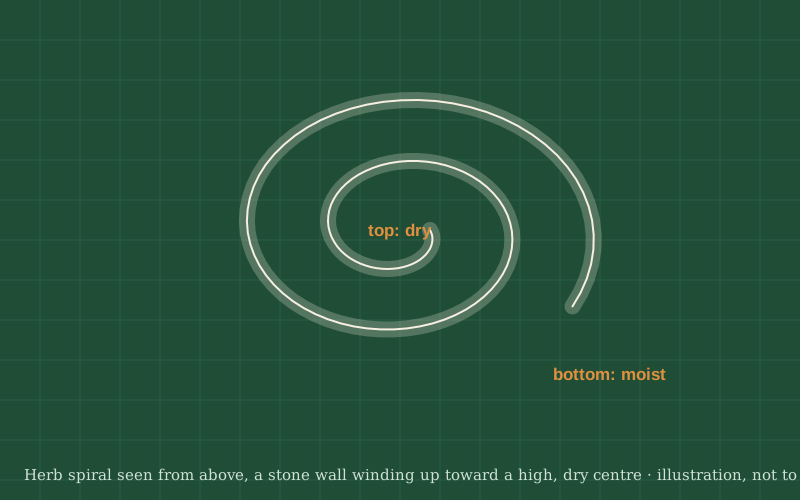
You will mark a circle about 6 ft (1.8 m) across, build a spiral wall of stones or bricks that rises toward the centre, fill it with a free-draining core and soil, and plant it from the top down. The wall is dry-stacked without mortar, so it is easy to adjust as you go.
Keep the wall low, rising from a few inches at the outer end to about 3 ft (90 cm) at the centre at most, so it stays stable and you can reach the top herbs. In very wet climates, put the spiral on the sunniest, best-drained spot you have.
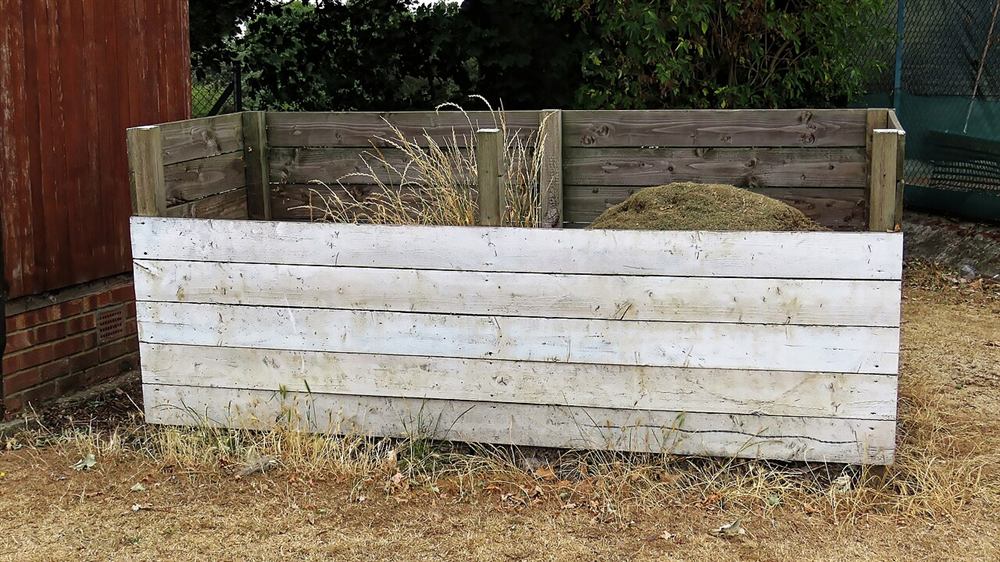
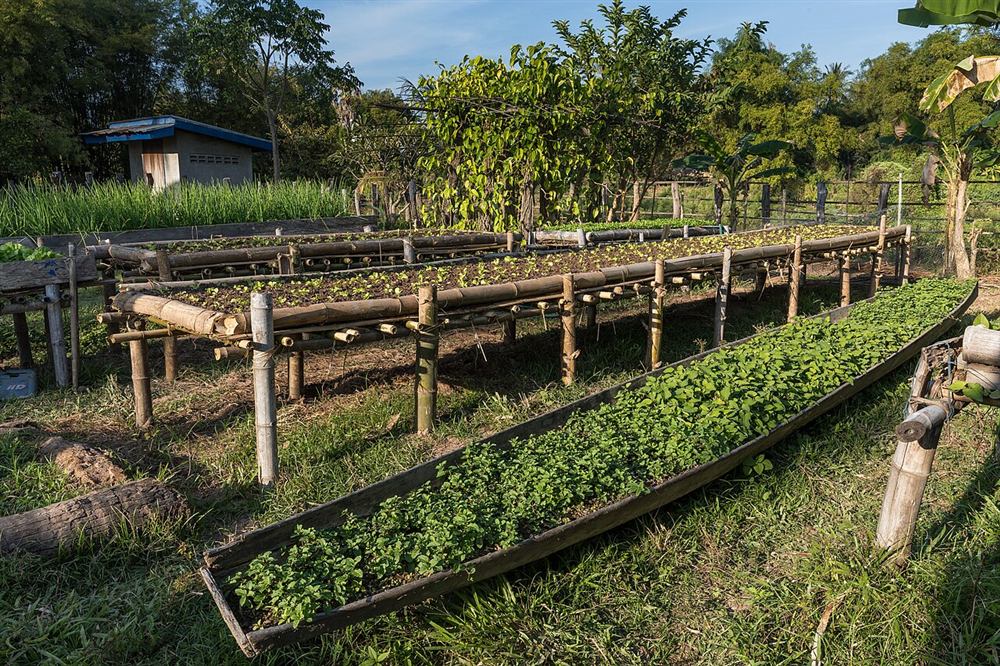
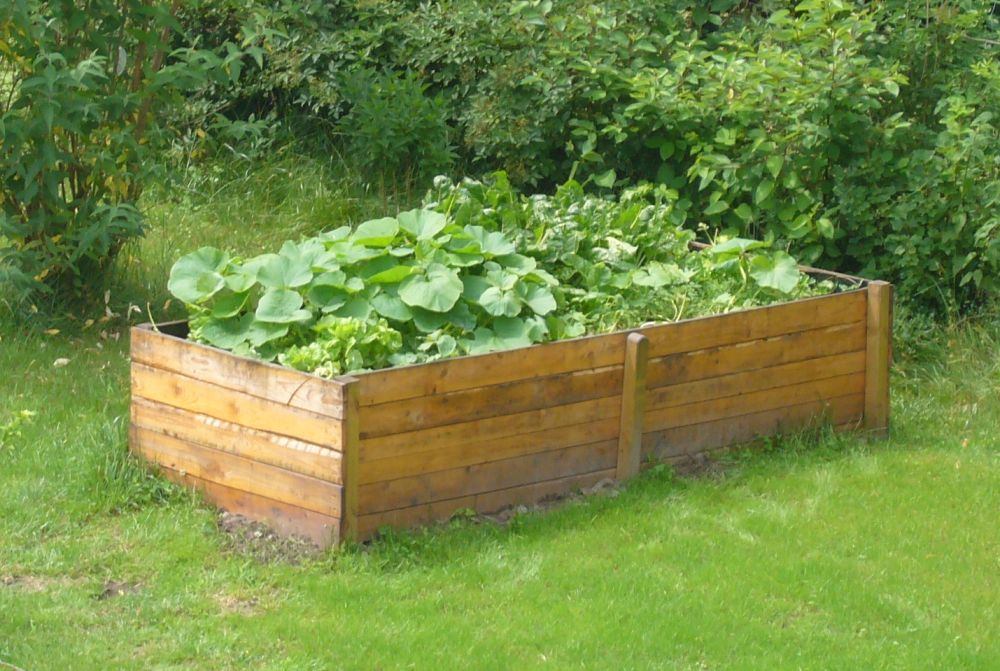
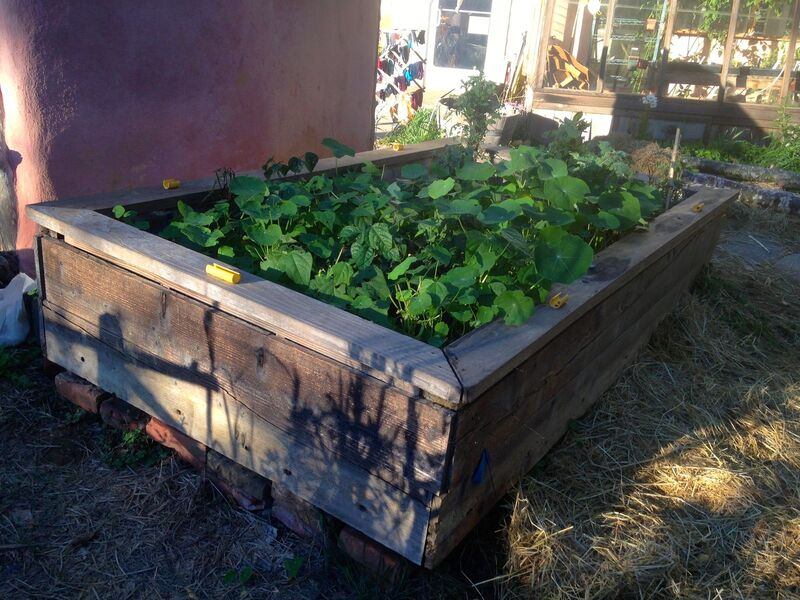
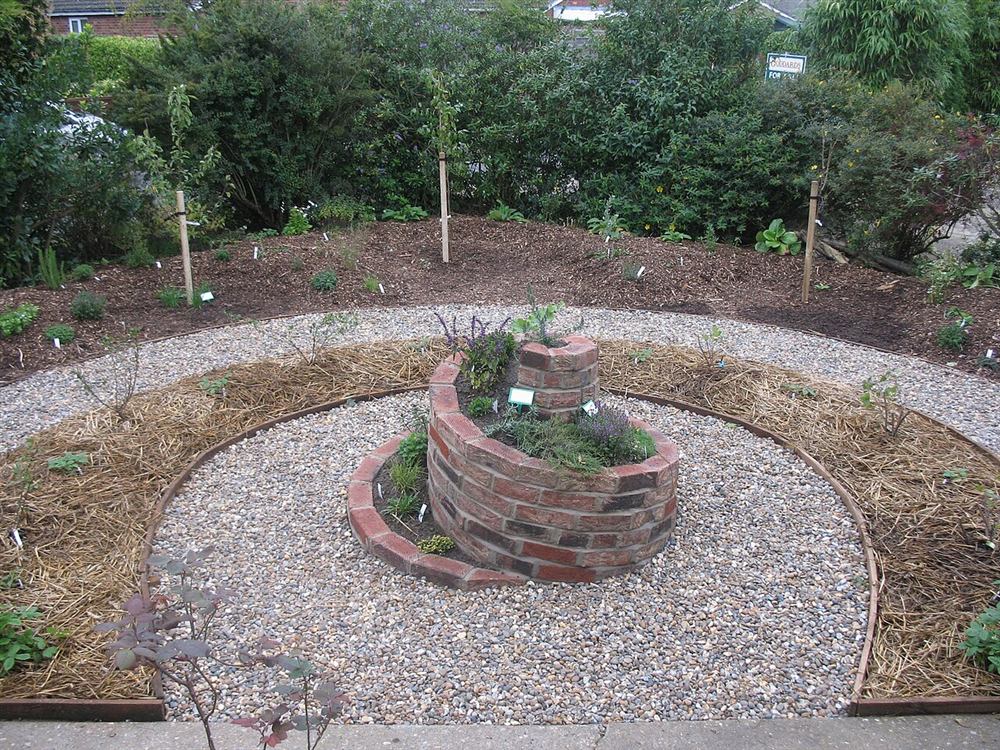
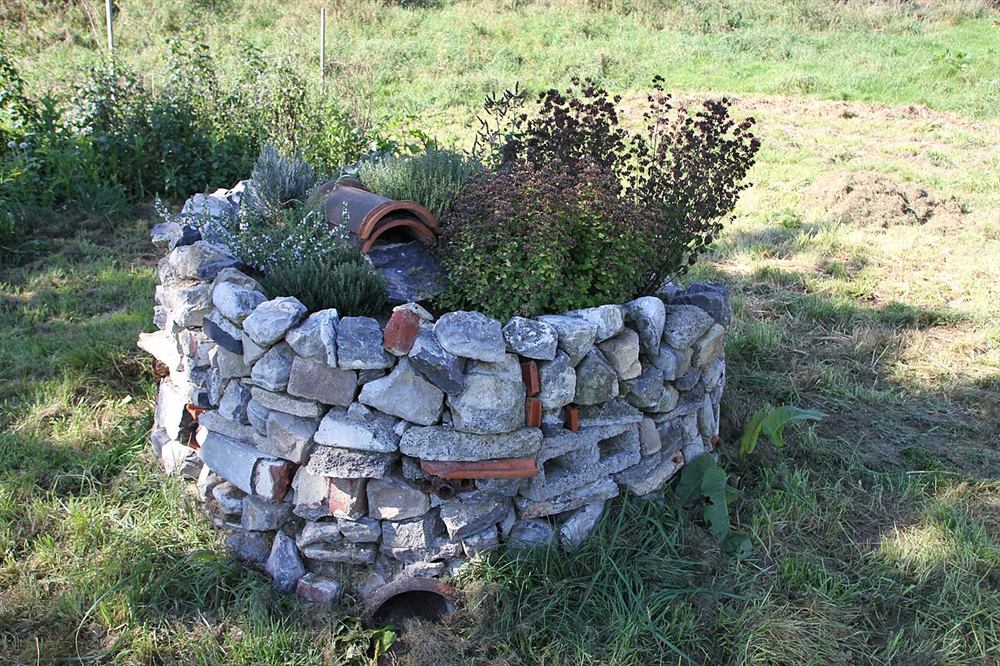
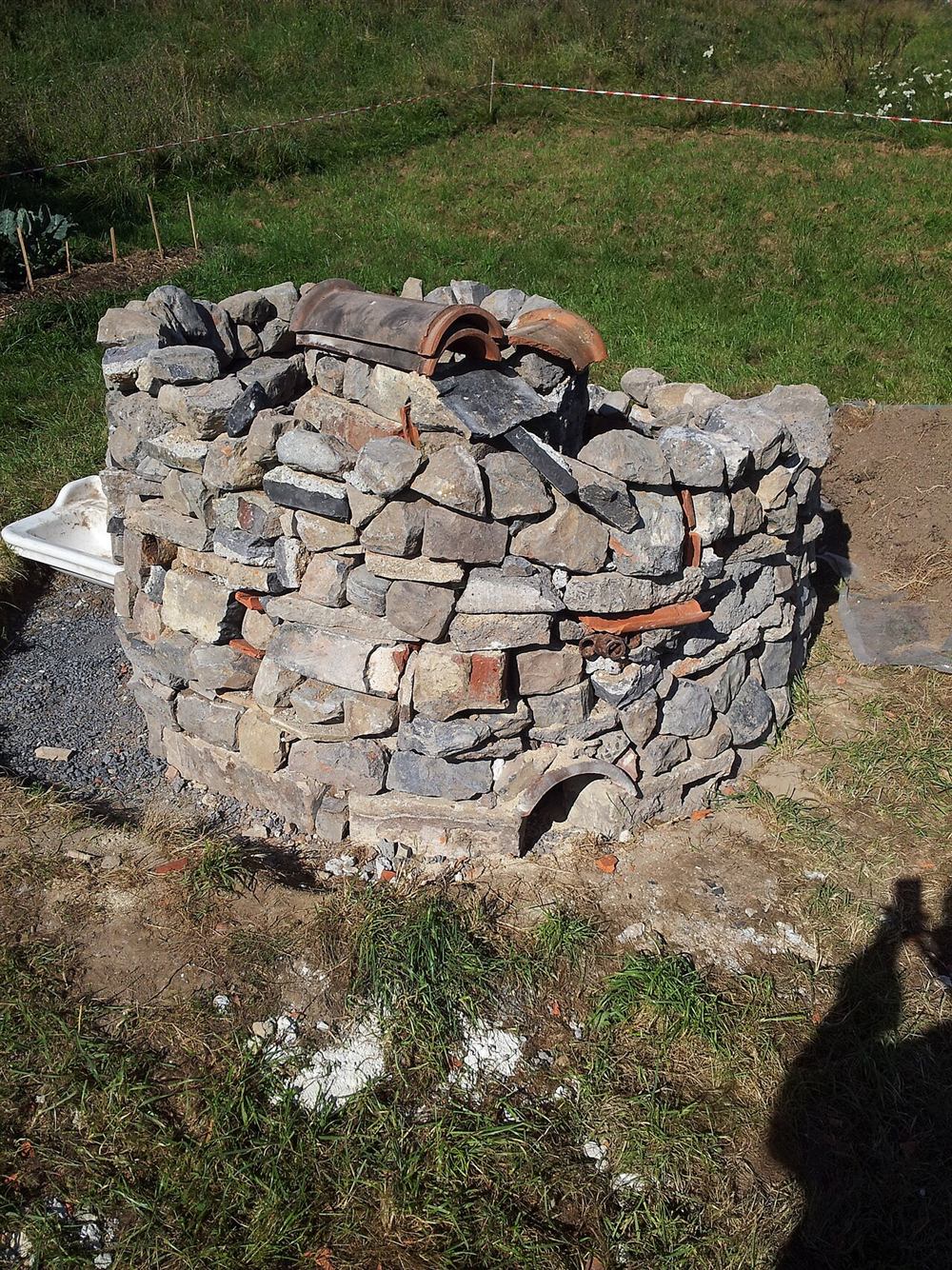
Photos of similar builds by other people, shared under open licenses. They show the idea in practice; the details differ from this guide.
Pick a sunny spot close to the kitchen door. Push a peg into the centre, tie a string about 3 ft (90 cm) long and mark a circle. Decide which way the spiral opens: the low end should face the sun (south in the northern hemisphere).
Cut the grass short and cover the circle with plain cardboard to smother it, or remove the turf. Lay a few inches of rubble or gravel over the centre area to help drainage.
Starting at the outer low end, lay stones along a spiral line that winds inward to the centre, leaving a planting channel about a foot (30 cm) wide between the turns. Set the bottom stones firmly into the soil so they do not slide.
Add stones to the wall, getting higher toward the centre. As each section rises, fill behind it with rubble in the core and topsoil above, so the soil supports the wall. Lean the stones slightly inward for stability.
Mix plenty of grit or sharp sand into the soil at the top for herbs that hate wet feet. Use plain soil with compost in the middle, and add extra compost at the bottom to keep it moist.
Plant rosemary, thyme, sage and oregano at the top; chives, coriander and marjoram in the middle; and parsley, mint and lemon balm near the bottom. Water well and keep newly planted herbs watered until they are established.
General guidance only. Follow the instructions for your tools and materials and your local rules, and use a qualified professional for electrical, gas and structural work.
A herb spiral packs a whole herb garden into a few square feet and looks good all year. Trim the herbs after flowering, top up the soil with compost each spring, and reset any stones that frost has loosened.
About this guide: written by the DIY Outdoor Builds editors from general, widely used building and gardening practice. Text and illustration © DIY Outdoor Builds. Photos are by the people credited under each one, used under their licenses. Found an error? Let us know.
Share your photos, measurements and what you changed. Your build gets its own page and helps the next person.