 Guide
Other Builds
Many bees do not live in hives. Solitary bees lay their eggs in narrow tubes such as hollow stems and beetle holes, and gardens often have too few of them. A small, well-made bug hotel gives them nesting places and brings more pollinators to the vegetable garden.
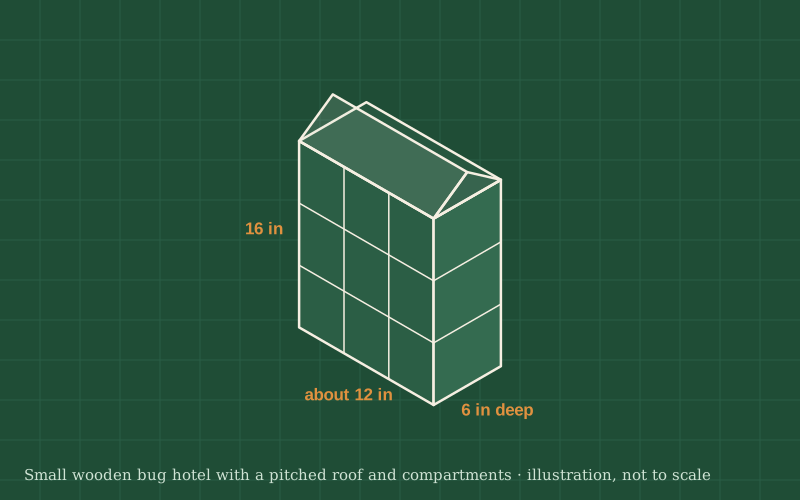
You will build a shallow wooden box with a pitched roof and a few compartments, then fill it with bundles of hollow stems and blocks of wood drilled with holes of different sizes. The roof keeps the contents dry, which is what makes the difference between a hotel that helps and one that grows mould.
Small is better than huge: a compact hotel of about this size is easier to keep dry and clean. Holes should be smooth, closed at the back and not drilled through, with a range of diameters from small to medium, roughly ⅛ to ⅜ in (3–10 mm).
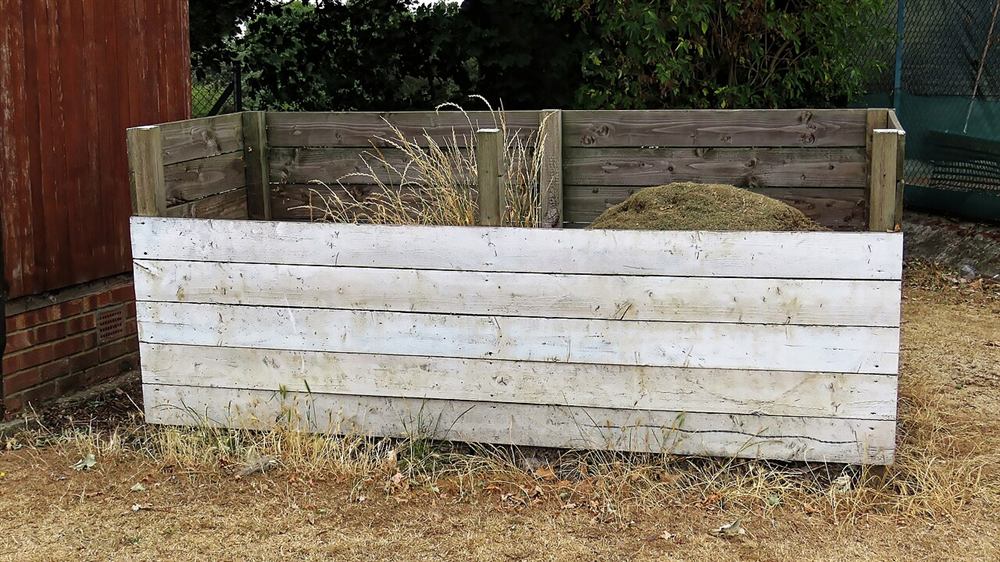
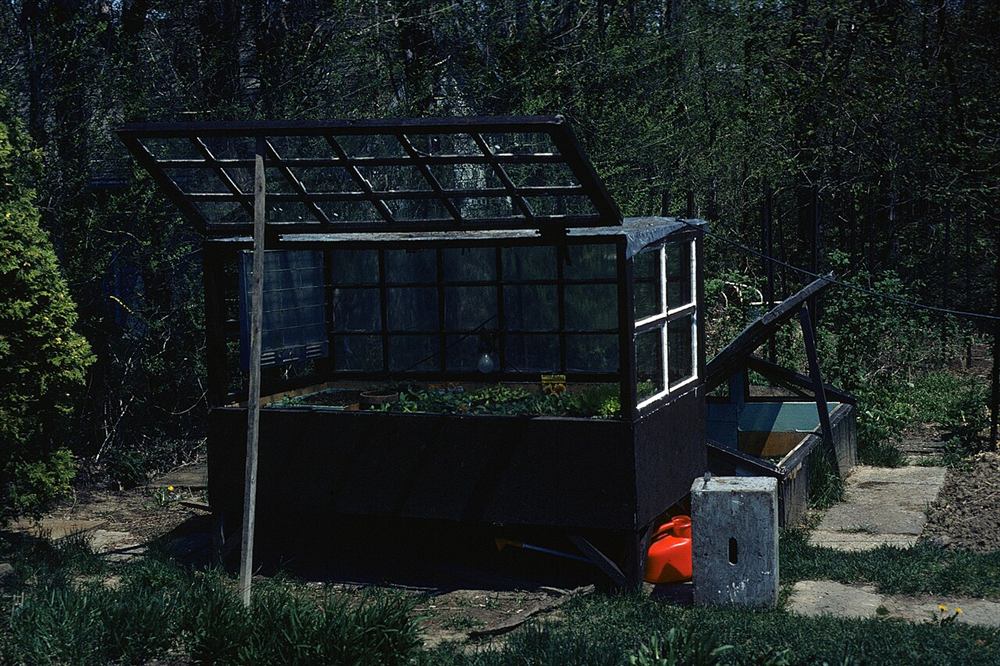
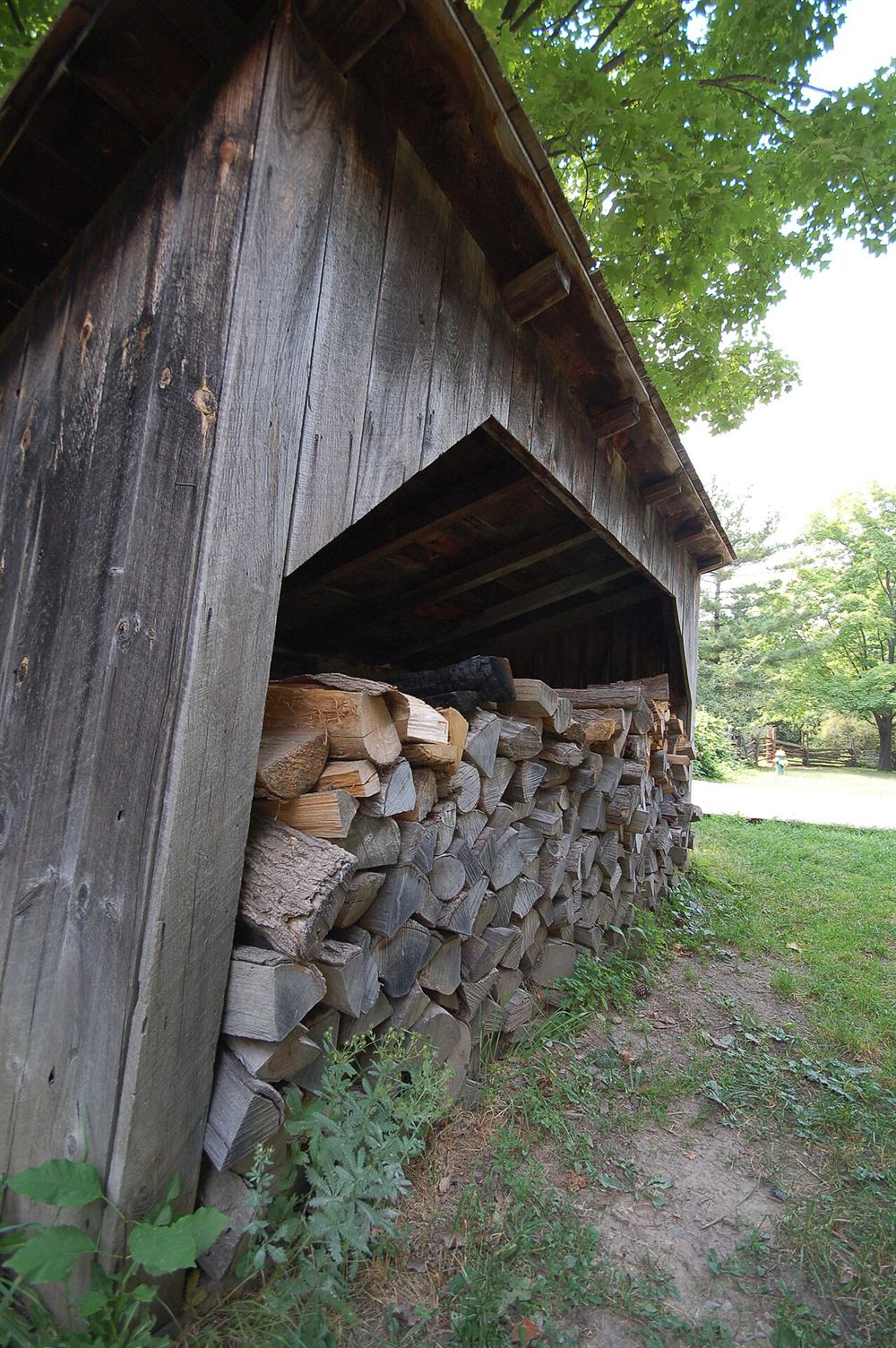
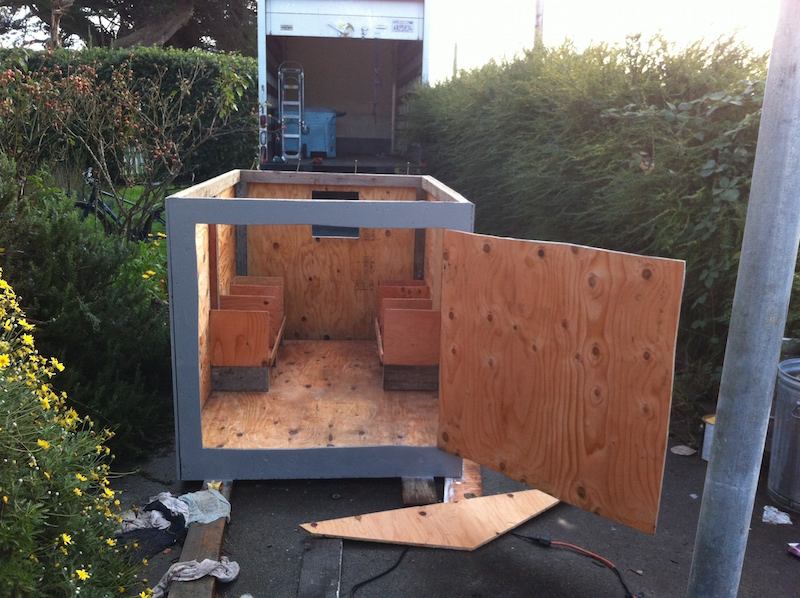
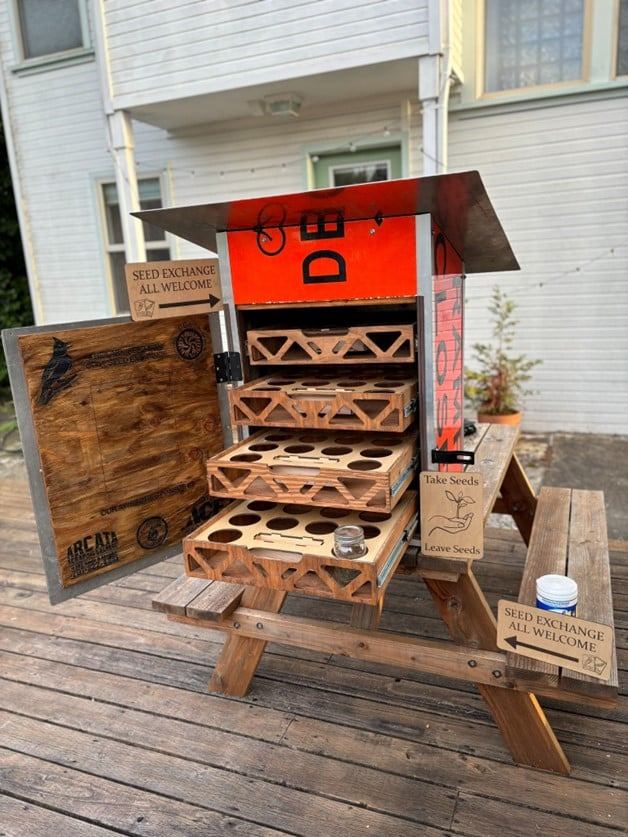
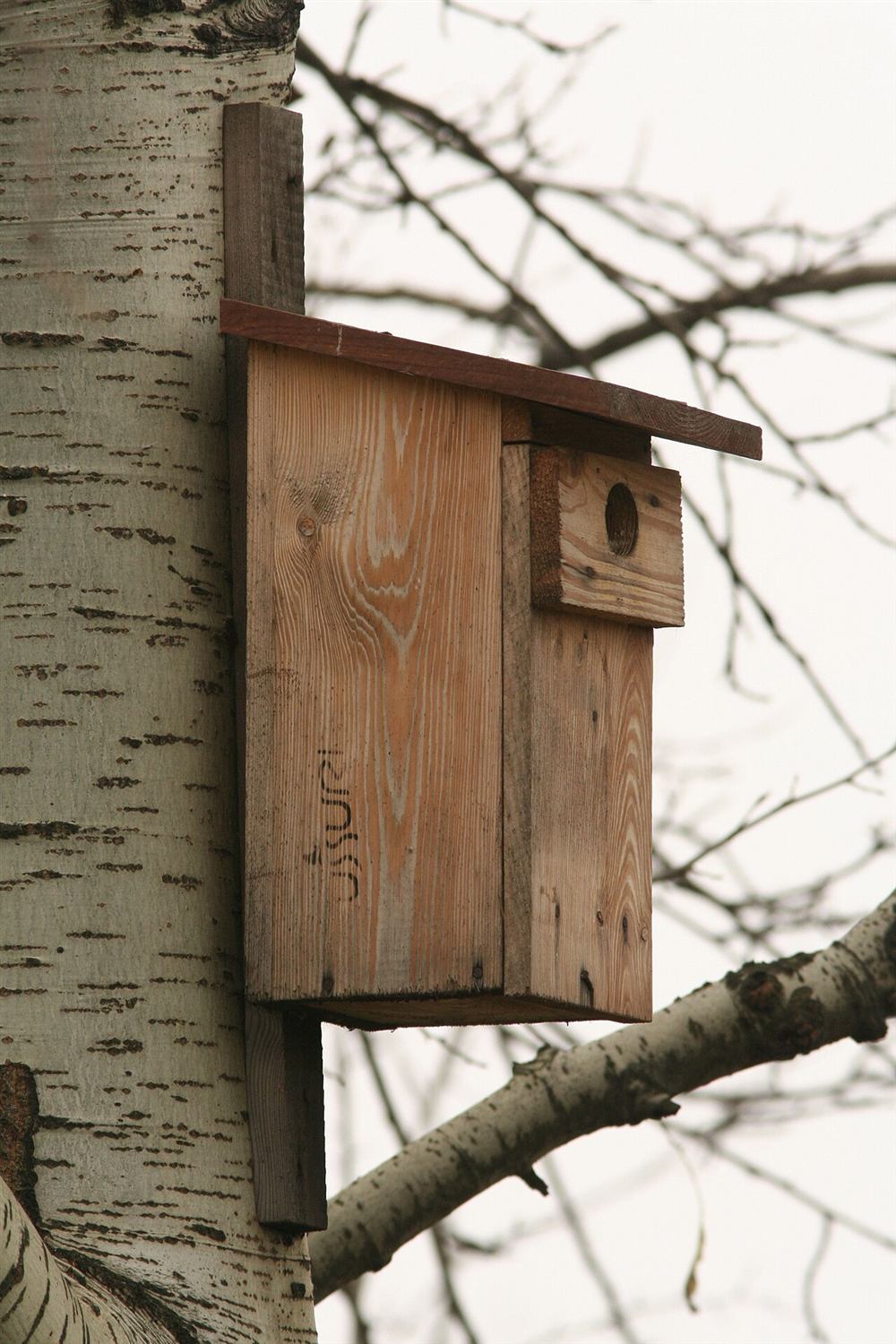
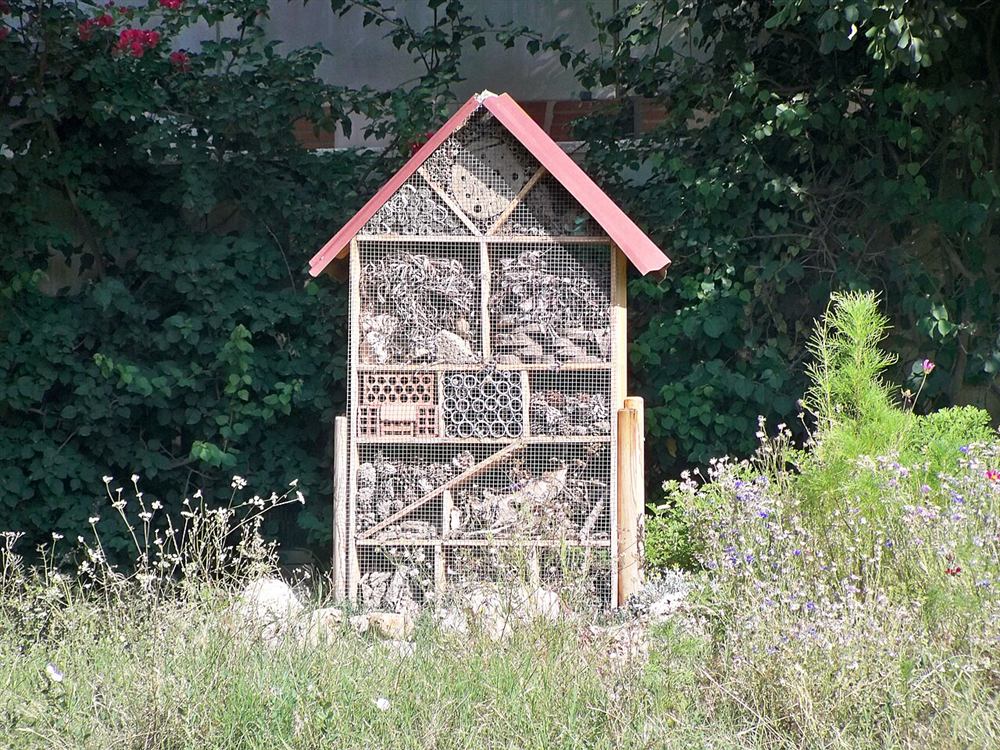
Photos of similar builds by other people, shared under open licenses. They show the idea in practice; the details differ from this guide.
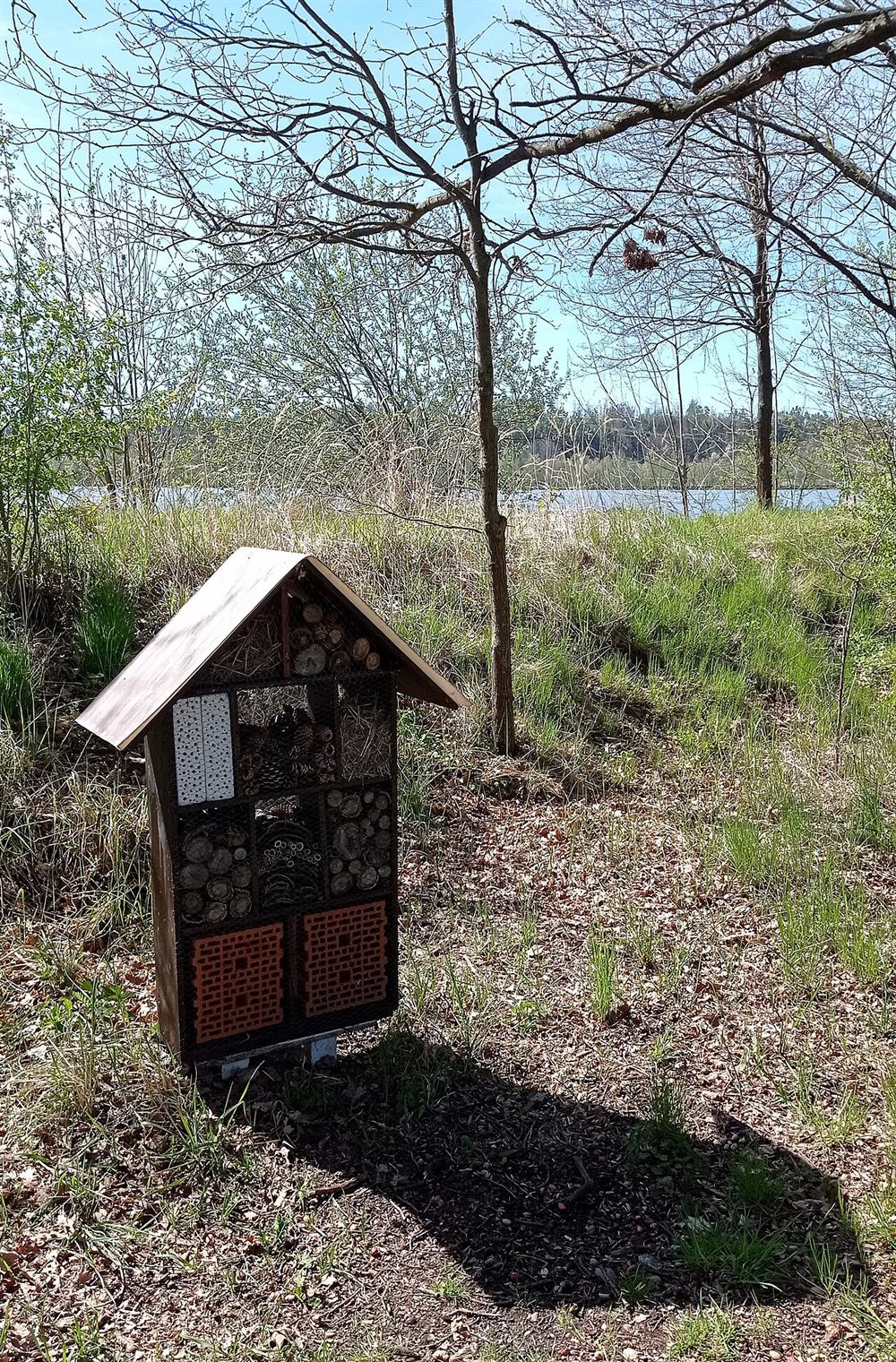
Cut a back, two sides, a floor and a top and screw them together into a shallow box about 6 in (15 cm) deep. Add one or two dividers inside to make compartments, so the filling stays in place.
Cut two roof boards and fix them over the top so they overhang the front by an inch or two. The overhang shields the openings from rain, which is the single most important detail.
Drill holes of different diameters into the end of the hardwood blocks, as deep as you can without going through. Sand the entrances so they are smooth, because rough splinters damage the bees' wings.
Cut hollow stems to fit the depth of the box, with a natural node or a plug closing one end. Check the cut ends are clean and not split, then bundle them.
Pack the stems and blocks tightly into the compartments with the open ends facing out. Tight packing stops the stems from falling out or being pulled out by birds.
Fix the hotel firmly to a wall or post at about chest height, facing the morning or midday sun, sheltered from rain. Make sure flowers that bees feed on are close by, because the hotel is only useful near food.
General guidance only. Follow the instructions for your tools and materials and your local rules, and use a qualified professional for electrical, gas and structural work.
A small, dry, well-placed bug hotel can be busy within its first spring, as bees seal finished tubes with mud or leaves. Keep it clean, refresh the tubes now and then and plant plenty of flowers, and your garden will have more pollinators every year.
About this guide: written by the DIY Outdoor Builds editors from general, widely used building and gardening practice. Text and illustration © DIY Outdoor Builds. Photos are by the people credited under each one, used under their licenses. Found an error? Let us know.
Share your photos, measurements and what you changed. Your build gets its own page and helps the next person.