 Our design
Raised Garden Beds
Open designDesigned by Jann Kuusisaari and not built by us; our write-up from their open-licensed 3D model (CC BY 4.0).
One of the quickest raised beds there is: a standard Euro pallet as the base, two ready-made pallet collars stacked on top, a plastic liner inside and garden soil over a thin drainage layer. Everything is bought to size, so there is nothing to cut.
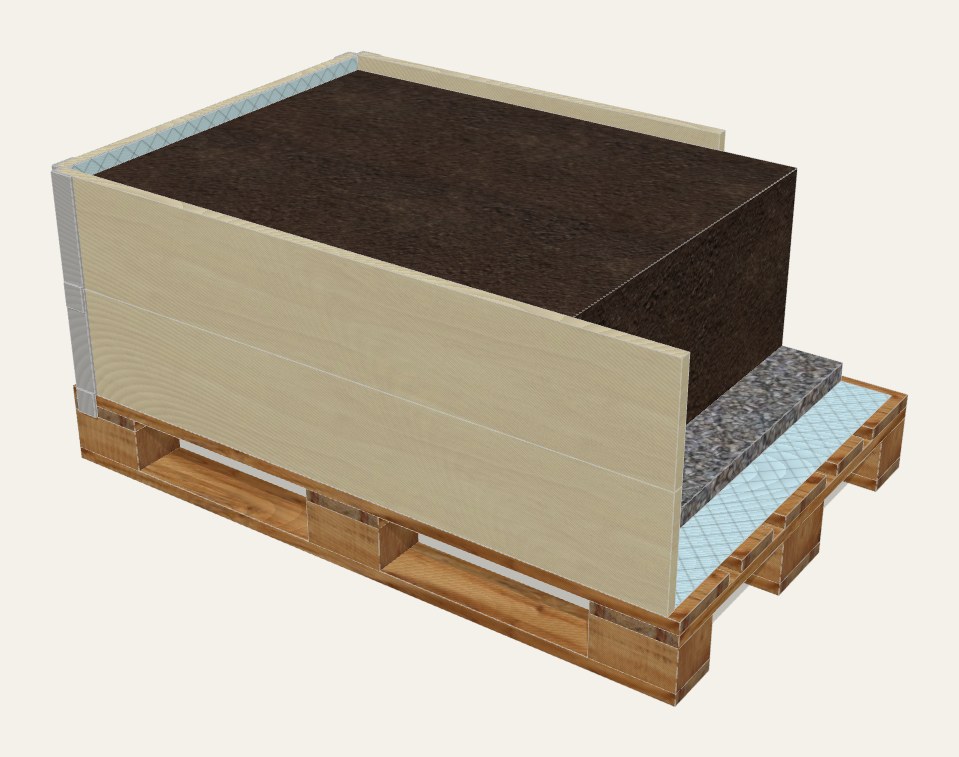
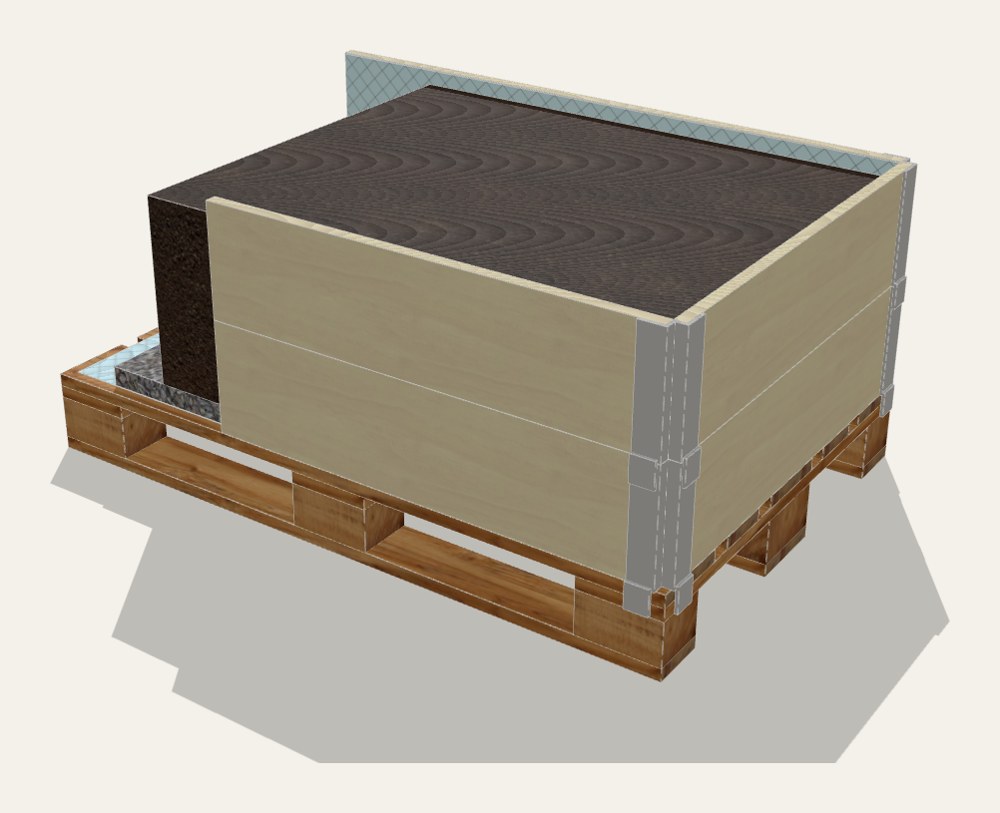
Jann Kuusisaari drew this raised bed in SketchUp and shared it as a cut-away 3D model, so you can see every layer from the pallet up to the soil. The build notes that come with the model end with a simple wish: happy urban gardening.
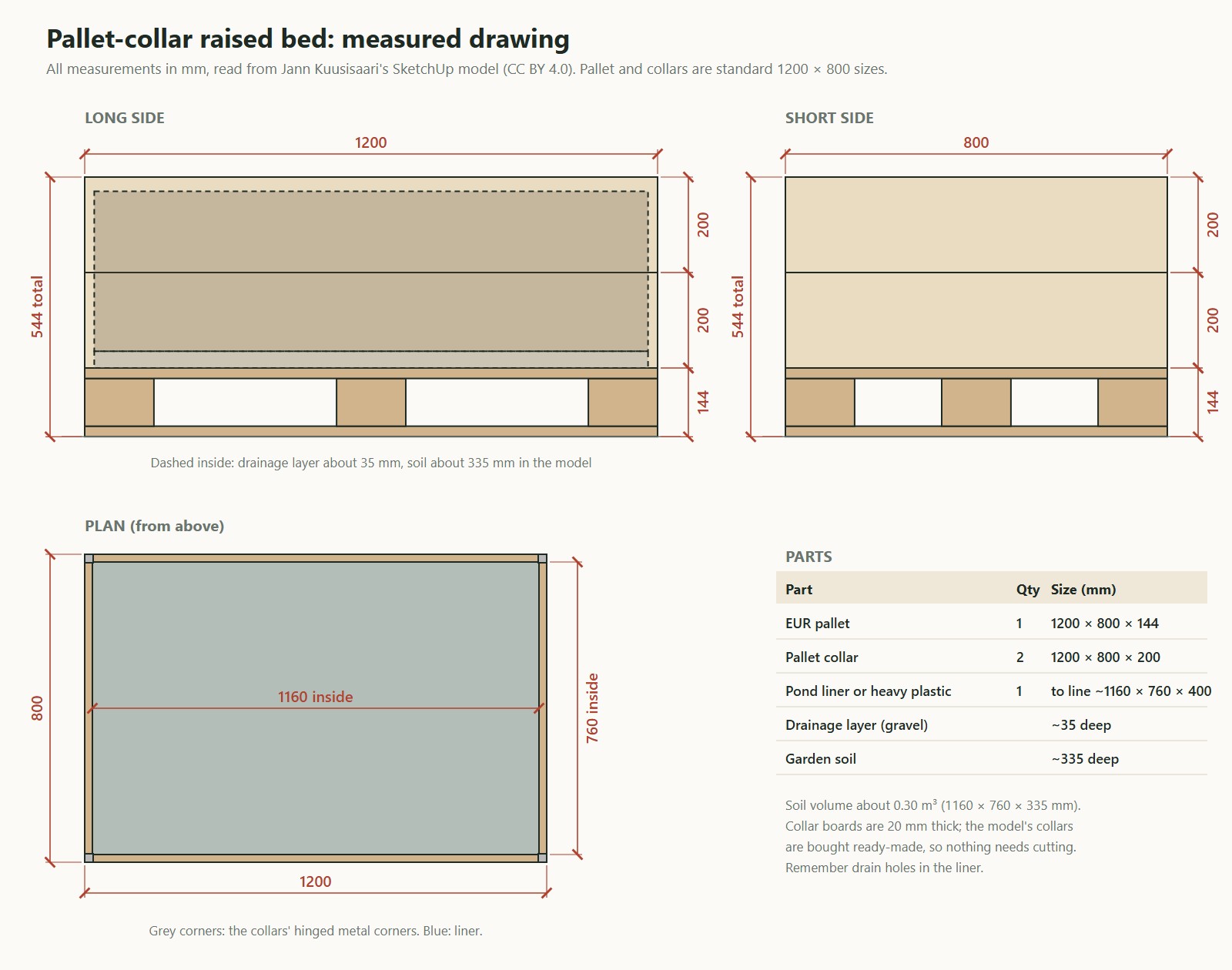
The idea relies on two parts that are made in standard sizes across Europe. A Euro pallet measures 1200 × 800 mm and is 144 mm high. A pallet collar is a wooden frame of the same footprint, here 200 mm high with 20 mm boards, joined at the corners with metal hinges, so collars stack neatly on a pallet and on each other. Two collars give a bed 400 mm deep above the pallet.
We measured the model to make the drawing and parts list on this page. The design is Jann's; it is shared as a model, not documented as a finished build.
Use only a pallet in good condition made of solid wood. Some pallets have parts made of chipboard, which will not last outdoors.
Paint the pallet collars with linseed oil before you assemble the bed. It helps the wood last longer.
Set the pallet where the bed will stand, fold out the collars and stack them on it. Line the inside with strong plastic or pond liner. The liner protects the wood from moisture, keeps the soil in the box and holds the whole construction together. Make drain holes in it.
A thin layer of gravel on the bottom is optional. If you add one, make sure the drain holes do not get blocked.
Use garden soil rather than potting soil or peat moss. Mix in compost if you have it, and some sand if the soil is clayey. In the model the soil is about 335 mm deep.
Measured from the designer's 3D model. Open one to see it full size.
Credits and license: Designed and modelled by Jann Kuusisaari. Originally published on Sketchfab: “Pallet collar raised bed - cross section” under CC BY 4.0. The renders and the measured drawing on this page were made by DIY Outdoor Builds from their 3D model, and are shared under the same license (CC BY 4.0). The measurements are read from the model; the text is our own write-up. DIY Outdoor Builds did not build this project.
Photo credits: Cut-away view: pallet at the bottom, two collars, liner, drainage layer and soil: Photo: Jann Kuusisaari (3D model), rendered by DIY Outdoor Builds, CC BY 4.0, via Sketchfab (resized); The finished bed from the other side, with the collars' metal corners: Photo: Jann Kuusisaari (3D model), rendered by DIY Outdoor Builds, CC BY 4.0, via Sketchfab (resized); Measured drawing: long side, short side, plan and parts list (mm): Photo: DIY Outdoor Builds, measured from Jann Kuusisaari's 3D model, CC BY 4.0, via Sketchfab (resized).
Building work can be dangerous and may need a permit. Check local rules and use a qualified professional for electrical, gas and structural work.
Share your own version with your photos, measurements and what you changed.
Our designRaised Garden Beds
 Our design
Compost Bins
 Our design
Fences & Gates
 Member project
Raised Garden Beds
 4×8 Raised Garden Bed: Cut List, Soil Needed and Build StepsRaised Garden Beds · Beginner · A few hours
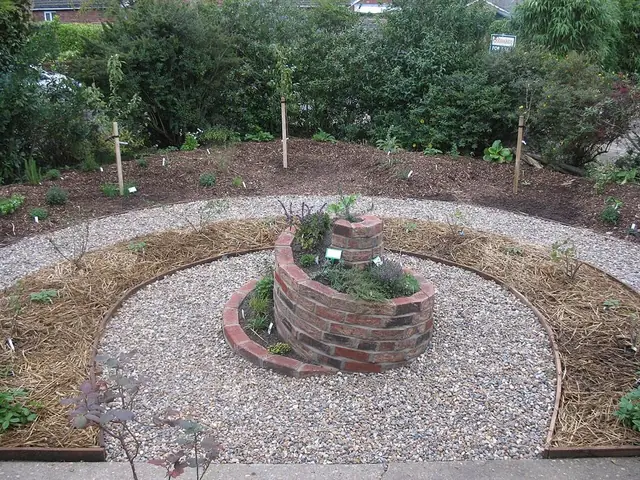 Build a Stone Herb Spiral for a Small GardenGarden Layouts · Intermediate · About a day
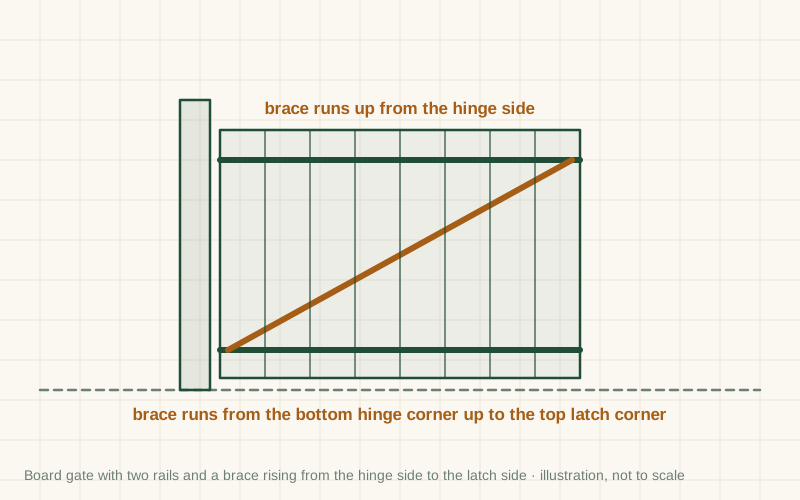 Build a Wooden Z-Brace Garden GateFences & Gates · Beginner · About a day
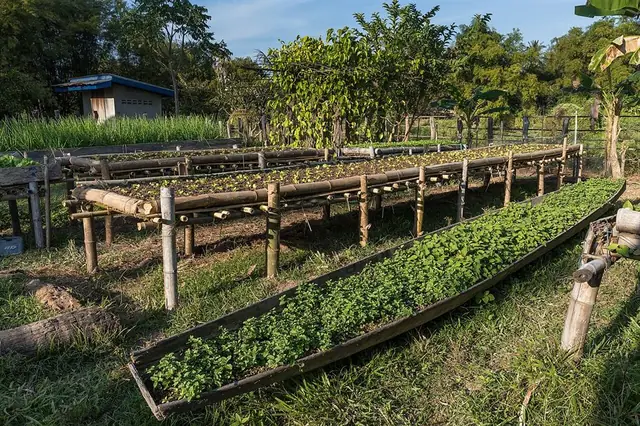 Build an Elevated Planter Box on Legs (Waist-High Garden)Raised Garden Beds · Intermediate · About a day
From diyoutdoorbuilds.com/builds/pallet-collar-raised-bed-on-a-euro-pallet · DIY Outdoor Builds